
If you run hybrid or multicloud environments as a platform or CloudOps team, buy a cloud management platform only if it handles the providers, resources, permissions and day-2 actions you need. Build a provider × resource × operation × identity matrix, then drop any candidate that fails a mandatory requirement. If native cloud tools, a focused FinOps platform or an infrastructure-as-code workflow already does the job, a broader CMP adds complexity you don’t need. Prove the remaining requirements in a controlled trial before you sign.
What is a cloud management platform, and do you need one?
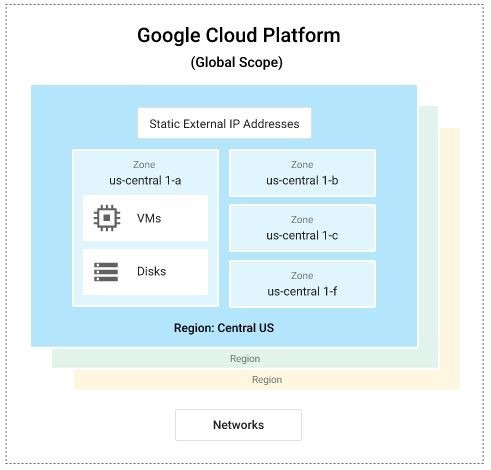
A cloud management platform (CMP) coordinates infrastructure inventory, provisioning, governance and lifecycle workflows. How much control you get depends on the product. Hybrid cloud combines private or on-premises infrastructure with public cloud services; multicloud means more than one cloud provider. Before you shop, write one sentence that names the cross-system action, the environments it touches and the team responsible. Example: approving virtual machine changes across Azure and on-premises infrastructure.
CMP vs IaC, FinOps, security and native cloud tools
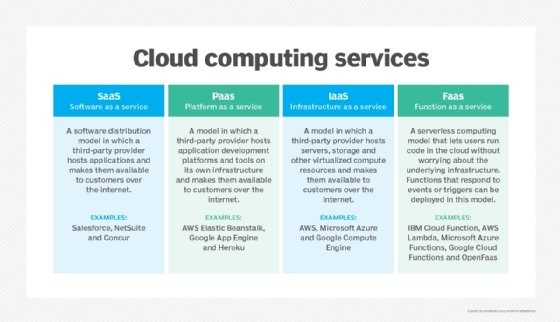
Comparison lists often put very different products side by side. An infrastructure automation tool, a cost analytics platform and a hybrid-cloud orchestration suite all touch cloud accounts, yet they do different work and produce different output. Before you change identity boundaries, recovery objectives or network routes, read the cloud architecture workload assessment.
| Tool category | Primary job | Typical output | Best fit |
|---|---|---|---|
| Hybrid or multicloud CMP | Coordinate inventory, governance and resource lifecycle across environments | Resource catalog, approved changes, policy results, orchestration workflows | Several teams need coordinated operations across systems |
| IaC and automation controller | Manage declarative infrastructure definitions and changes | Plans, pipelines, provisioning results, state records | Infrastructure changes are primarily managed through code |
| FinOps analytics platform | Allocate, investigate and optimize technology spending | Cost reports, forecasts, allocation views, recommendations | The main requirement concerns spend and financial accountability |
| Security or backup specialist | Address a defined protection, recovery or security function | Findings, protection policies, recovery workflows | A specialist control is the primary requirement |
| Native-provider management | Administer supported assets through a provider’s services | Provider-specific inventory, policy, automation and cost views | Existing native controls cover the required operating job |
One vendor may combine orchestration, cost visibility, security and automation, so classify products by the work they do. Terraform and OpenTofu are IaC examples, and CloudHealth and Cloudability illustrate financial management. Azure Arc supports specific hybrid and non-Azure management scenarios. Judge each of them against the job you defined for your environment.
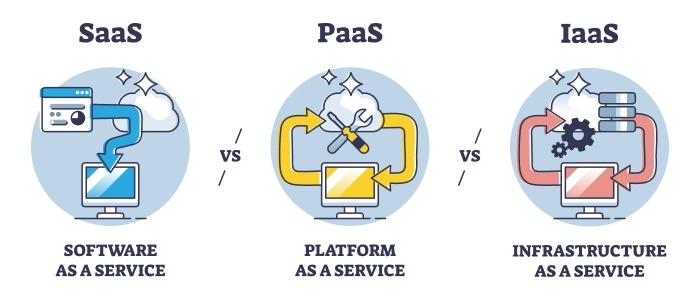
Take two organizations. The first needs to find excess Azure spending and send recommendations to application teams. It should start with native cost services or focused FinOps software, and the cloud cost management tools comparison covers that purchase.
The second must offer controlled self-service provisioning, approvals and lifecycle operations across AWS, Azure and on-premises virtualization. A hybrid CMP fits, because the task goes beyond analysis into coordinated infrastructure operations.
Classify each shortlisted product by its main job. Remove any that can’t do the task you defined in the previous section, however many environments its dashboards show.
Map provider, resource and operation coverage before a demo
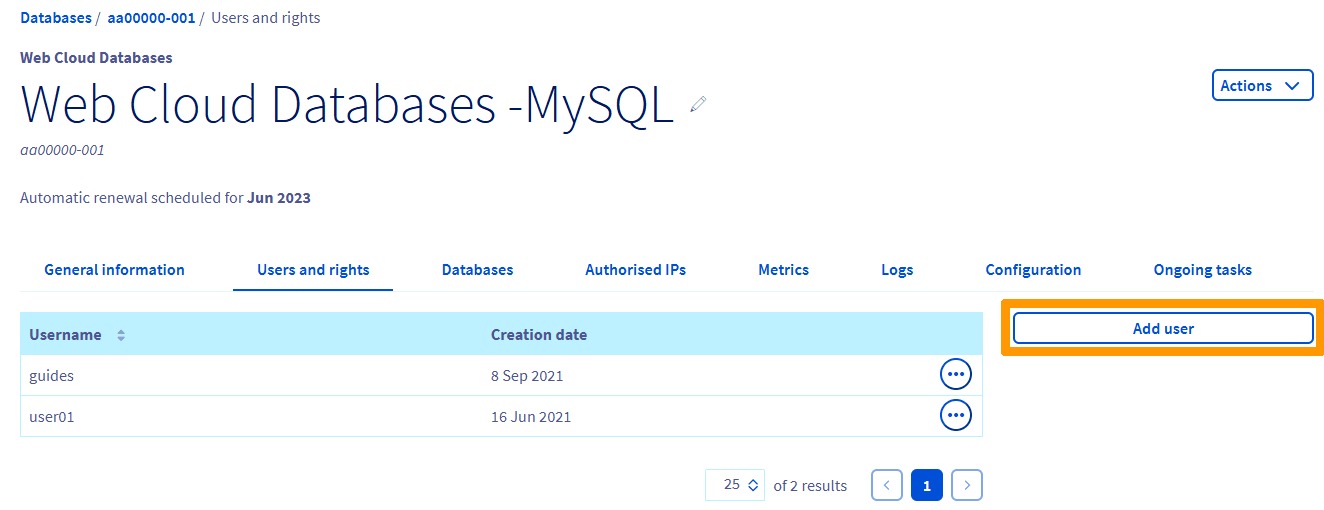
The most useful evaluation artifact is a provider × resource × operation × identity matrix. List each advertised Azure or AWS capability with its resource type, permission scope and operation.
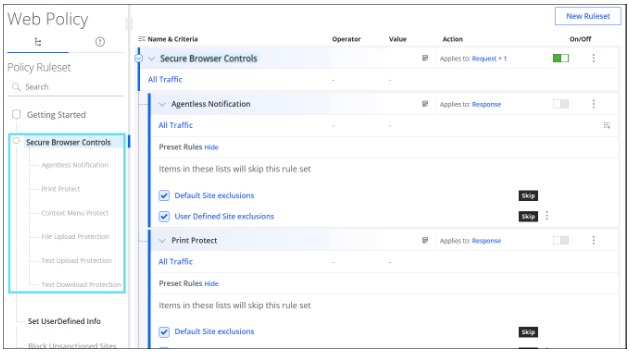
For every required workflow, name the target provider, account or subscription, region, resource family, supported version and the human or service identity. Keep discovery and read access separate from modification, approval, deletion and rollback.
Build the mandatory capability matrix
These sample rows are test cases. You assign criticality and fill in results after you run a trial.
| Environment | Resource | Required operation | Identity | Criticality | Evidence to request | Trial result |
|---|---|---|---|---|---|---|
| Azure subscription | Existing VM | Discover, identify owner, perform authorized change | Read role and approved write role | To assign | Resource record, permission scope, action log | Not tested |
| AWS account | Tagged and untagged resources | Discover and evaluate ownership policy | Restricted assumed role | To assign | Inventory export and policy result | Not tested |
| VMware vCenter | Existing VM | Import, approve and perform lifecycle change | Scoped service identity | To assign | Import log, approval, operation result | Not tested |
| Kubernetes environment | Supported cluster | Inventory and agreed configuration change | Scoped RBAC | To assign | Supported-version evidence and API result | Not tested |
Mark each required capability as a hard gate, preferred or irrelevant. A hard gate means the system can’t meet your operating requirement without that capability.
Microsoft’s Azure Arc documentation describes supported non-Azure and on-premises resource families, including servers, Kubernetes and some data services. Which management functions you get depends on the resource family and the Arc service.
Expect that level of specificity from every shortlisted platform. Supported operations differ by resource type, permissions, connector version and cloud service, so the matrix records each combination separately.
If you haven’t chosen your infrastructure providers yet, work through the AWS, Azure and Google Cloud comparison before you set management-platform compatibility requirements.
Verify access controls, policy enforcement and auditability
A governance demo should show who can perform an operation, which policies apply, whether enforcement works and what the system records. Ask for evidence on inventory, authorization, enforcement and audit history.
Start with identity and authorization. The candidate should expose its single sign-on integration, role-based access controls, service identities, permission boundaries and separation between approval and execution.
Its audit trail must let you reconstruct an operation: initiating identity, affected resource, time, requested change, authorization, API outcome and before-and-after state.
A policy test that exposes missing resources
AWS Organizations gives a useful example. Its tag-policy guidance describes a limitation that matters for ownership policies: a tag-policy compliance report does not list an untagged resource as noncompliant.
Suppose your organization requires every resource to have an accountable owner. The question is whether the candidate detects missing ownership, raises a useful alert or enforces a guardrail. Use the AWS report as the native reference, and record the CMP’s own discovery and enforcement results separately.
After a resource or tag-policy change, an organization-wide AWS tag-policy compliance report can take up to 48 hours to show it.
In an authorized nonproduction account, run four controlled tests:
- Restricted access: Try a prohibited change under a read-only identity. Capture the denial and its audit record.
- Missing ownership: Create a permitted test resource with no owner tag. Watch how the platform discovers, evaluates and enforces.
- Approved change: Make an authorized change and check the recorded actor, target, approval and result.
- Connector failure: Remove a needed test permission or simulate an approved API failure. See whether the tool gives an actionable error.
Save logs or screenshots and name the responsible operator for each test. Keep experiments away from production.
NIST IR 8613, issued as an initial public draft on August 21, 2026, identifies 23 consolidated multicloud challenge areas, including identity, telemetry, configuration/change management, data protection and compliance. The draft gives you evaluation domains. It doesn’t certify vendors or set binding requirements.
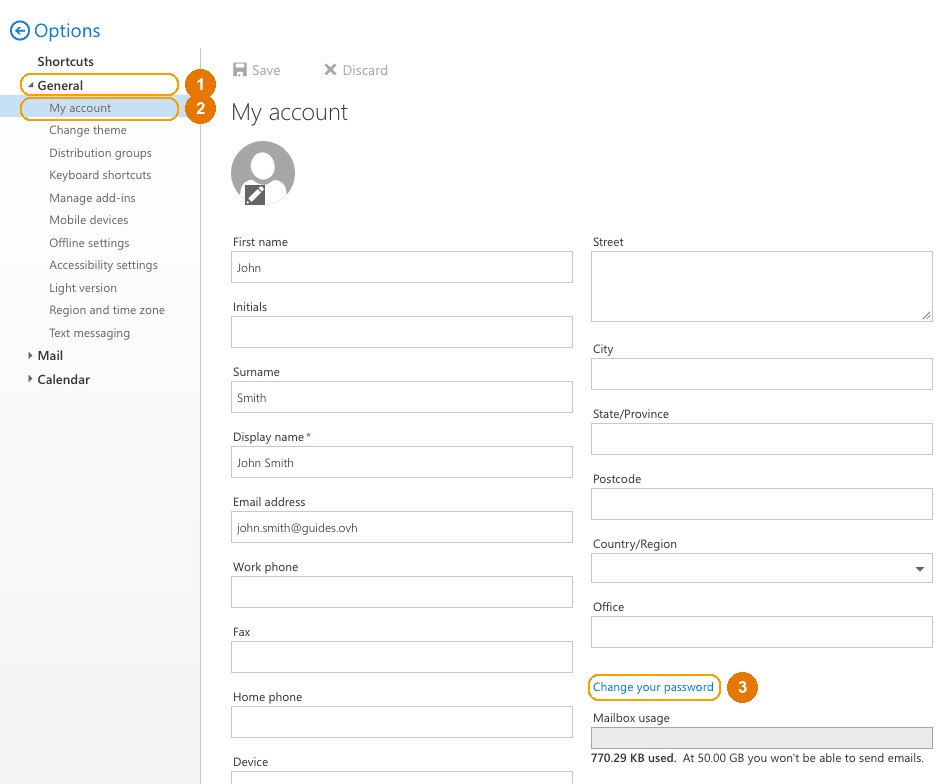
The most revealing governance failures are partial ones: a policy that only reports, a denied operation with thin audit detail, or an inaccessible account that vanishes from the visible inventory.
Test self-service, day-2 operations and integration limits
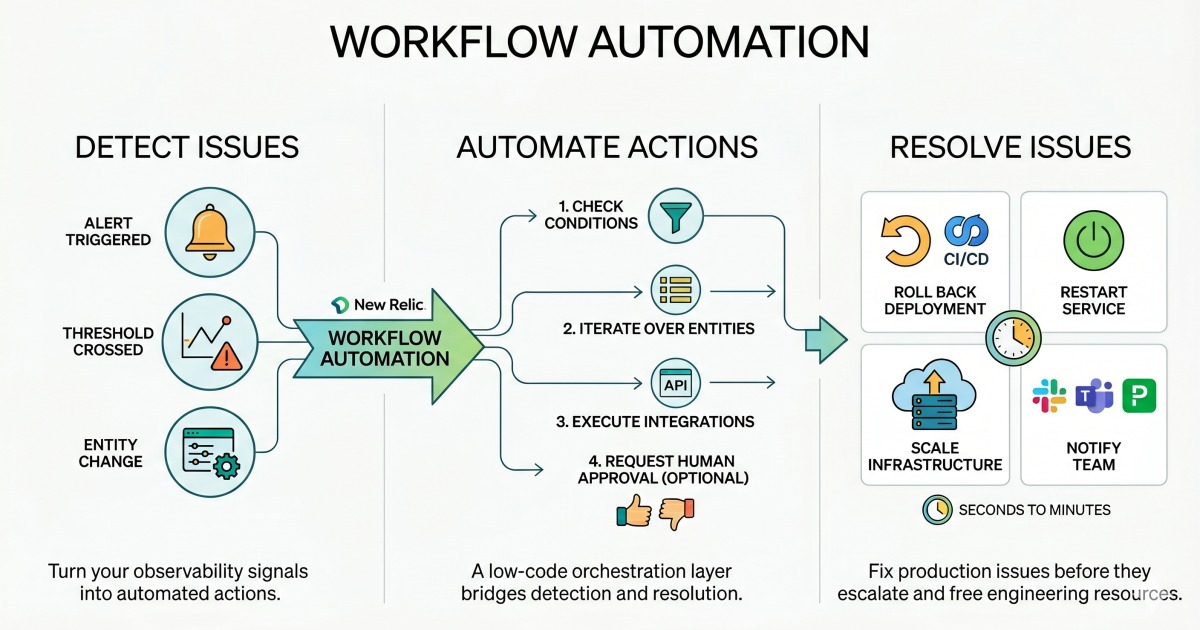
Provisioning a fresh instance shows only a narrow slice of a platform. Operational value depends on what happens when someone requests a change, an approval stalls, an existing resource enters management or an integration fails.
CloudBolt’s CMP documentation describes blueprints, self-service, brownfield discovery, approvals, quotas, expiration controls and extensibility through webhooks and Python. Those documented functions give you concrete operations to demonstrate in your own environment. Run the lifecycle exercise on a supported nonproduction resource you can change safely.
Follow an existing resource through its lifecycle
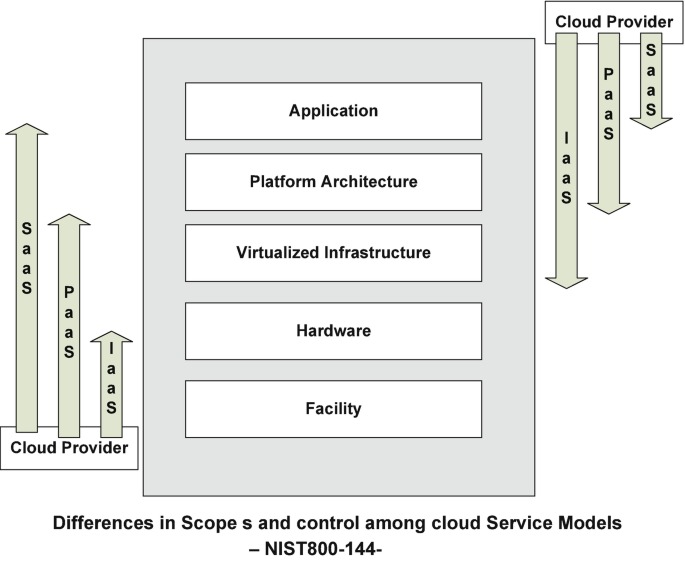
Start with a resource created outside the management platform. Discover or import it, make its ownership visible, submit a change request and route it through the approval path.
Then make the authorized change, inspect the resulting state and run the agreed rollback or recovery procedure. Brownfield discovery, ongoing synchronization and permission to modify are separate capabilities, and catalog-provisioned machines may be supported differently. A platform that imports the VM but can’t change it gives you inventory and leaves a lifecycle gap.
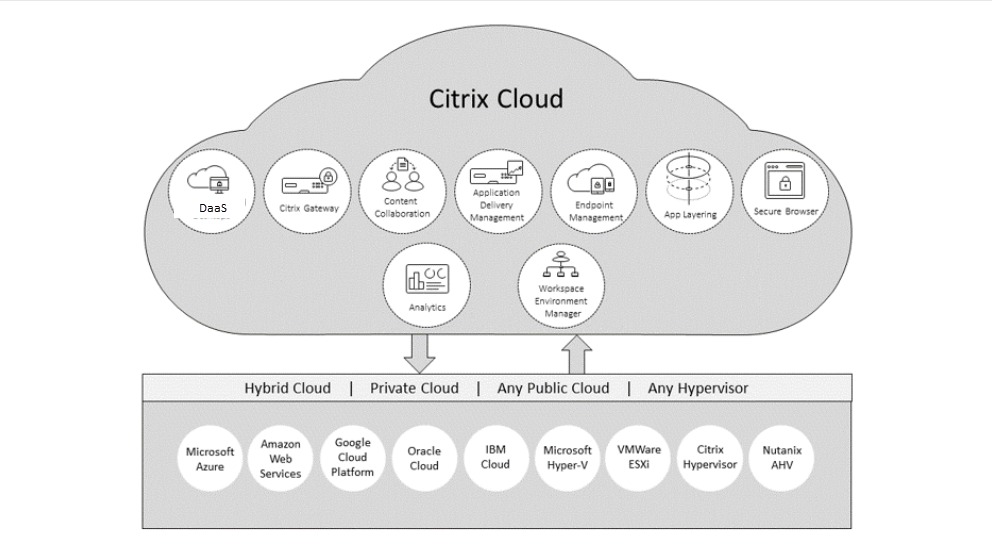
The same exercise shows who must maintain connectors, approval rules, service credentials and custom scripts. Write down every unsupported step and the labor needed to complete it.
Test integration failures separately. A shared IaC configuration can carry provider-credential dependencies unrelated to the deployment you’re running, and separate Terraform workspaces can depend on outputs that don’t exist during a clean first deployment. These scenarios matter most when the product relies on Terraform or OpenTofu.
Also identify which system holds authoritative state. The platform, IaC backend, cloud provider and configuration-management database may each store overlapping data, so every change needs a clear owner and a reconciliation method.
Do cost findings produce actions engineers will take?
A cost feature earns its keep when a finding reaches someone with the context and authority to act. Finance needs allocation and forecasting. Engineers need resource identifiers, workload constraints and a technically credible change. For resource tags, AWS accounts and billing allocations, use the AWS cost allocation tag audit checklist to compare requirements.
An r/AZURE participant shows the gap:
Serious question because I’m starting to think this is impossible. We’ve tried two different cost management platforms over the past year and both times the same thing happens: i set it up, finance loves it, engineering team looks at it once and never touches it again. The problem isn’t that engineers don’t care about costs, it’s that these tools feel like they’re built for a completely different audience. Everything is in finance terminology, the ui feels like a business intelligence dashboard from 2015, and the insights are too high level to be actionable. “your azure costs increased 15% last month” okay cool, what am i supposed to do with that information? we’re spending around $70k/month on azure (app services, sql databases, storage, some vms, aks cluster) and i know there’s waste but i need help identifying where. Azure cost management shows me the numbers but doesn’t tell me what to actually do about them. tried Azure advisor but the recommendations are pretty basic stuff we’ve already done.
That organization has reporting. What it lacks is the technical and organizational detail needed to start work.
Trace one recommendation from data to action
For an oversized Azure App Service, a useful workflow connects these pieces:
- Source finding: The cloud service, resource identifier, measured utilization and billing context.
- Technical assessment: Proposed SKU or configuration change, workload constraints and service-level risk.
- Accountable owner: The application or infrastructure team authorized to review the recommendation.
- Change control: A ticket, engineering decision and required approval.
- Operational verification: The resulting configuration and its effect on the application.
- Financial verification: Billing data before and after the completed change.
The FinOps Foundation’s operating principles stress collaboration among technology, finance, product and leadership, with clear responsibility for usage and cost decisions. Software can route information, but an engineering team decides whether a change suits its workload.
Normalized cost data helps the reporting layer. The FOCUS v1.3 Cost and Usage specification defines a 65-column dataset that includes Billed Cost, Effective Cost and Billing Account ID.
In FOCUS v1.3, Billed Cost is the invoice-basis charge, including applicable discounts, without amortizing prepaid purchases. Effective Cost spreads prepaid commitments over their consumption periods to give amortized cost. If a platform uses these fields, reconcile its figures against the underlying billing records and tie them to accountable resources and owners.
During the evaluation, pick one genuine recommendation and follow it to an engineering decision. Capture whether the change was accepted or rejected, and which operating and billing evidence supports the outcome. Estimated savings become realized savings only after the change is made and measured.
Run a proof of concept designed to fail weak candidates

A proof of concept (PoC) should test mandatory outcomes under conditions you control. Use a vendor demo to learn the interface, then run the tests in your own scoped environment, with your permissions, resource versions and existing infrastructure.
One r/FinOps participant described the frustration of telling the two apart:
I’m working with our team to find a platform that can help us reduce our Azure costs. We are multicloud, but Azure is where we spend the most. I want to avoid lots of sales calls, so I’m hoping to get honest feedback here instead. What I’m looking for: A tool that is easy to use and doesn’t take forever to set up Good support during implementation Real savings opportunities, not just basic tips I can already see in Azure Cost Management No crazy promises. Last year we tried a tool that promised 300% savings and delivered nothing on Azure If you’ve used a platform that worked well, I’d love to hear about it. If something didn’t work, I’d also like to know.
Define acceptance tests before comparing vendors
Give every candidate the same scoped environment, expected operations and evidence standards. The test plan states prerequisites, expected outcomes, responsible operators and failure criteria.
| Test | Precondition | Trial action | Required evidence | Failure condition | Actual outcome | Status |
|---|---|---|---|---|---|---|
| P01: Resource coverage | Scoped provider account and existing asset | Request discovery and a specified supported action | Inventory and action records | Required asset or operation unavailable | Unrecorded | Unknown |
| P02: Governance controls | Approved restricted and write identities | Exercise denied and approved requests | Denial, approval and audit events | Forbidden action succeeds or required log is absent | Unrecorded | Unknown |
| P03: Lifecycle workflow | Safe existing test resource | Route a change through approval and recovery | Approval, result, state and recovery record | Mandatory lifecycle step cannot complete | Unrecorded | Unknown |
| P04: Cost-to-action | Valid finding and accountable owner | Route recommendation to decision | Resource, ticket and decision records | No route to responsible team | Unrecorded | Unknown |
Attach test logs and a reviewer decision to each outcome.
During the trial, also capture the time to first usable result, manual connector configuration, technical assistance and the recurring maintenance that setup reveals. Record support responsiveness from actual interactions. Statuses follow the Pass, Fail and Unknown rules in the scoring section, and a demo slide or promised feature never earns a Pass.
Price the operating burden and test the exit route
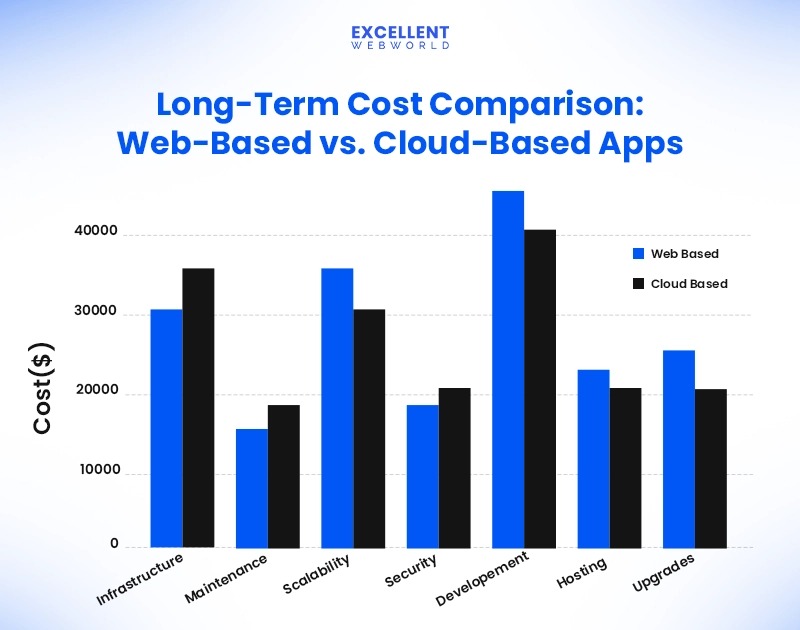
A CMP’s operating cost includes implementation, ongoing administration and eventual replacement. These can change the purchase decision more than the license fee does.
Account for the full operating commitment
List every cost in one inventory:
- Commercial terms: License basis, usage or resource measures, renewal conditions, support and termination provisions.
- Implementation: Connector setup, identity integration, onboarding, professional services and custom development.
- Operations: Platform hosting, agent maintenance, API changes, monitoring, incident response and staff training.
- Governance: Security review, access administration, audit evidence and internal compliance processes.
- Exit: Data exports, retention, migration labor, decommissioning and any contractual egress or termination charges.

Work out which artifacts can leave the platform in usable formats: inventory records, policies, blueprints, automation definitions, owner mappings, audit trails and cost exports.
For each critical export, note the format, access method, retention period and the team responsible for restoring or replacing the capability.
Cloud portability has the same limits. Infrastructure defined with Terraform may be easier to express consistently, but managed databases, provider-native services, identity systems and data migrations can still demand redesign. A regional capacity constraint, discontinued product or unacceptable contract renewal makes that dependency costly even when the current platform works well.
A broad CMP can cut duplicated administration, but it becomes another central system with privileged access, upgrades and support. A narrower tool has a smaller footprint and leaves more workflows in native consoles. Include one realistic replacement or termination scenario in the exit inventory, with the work required and the team responsible.
Score the shortlist and decide what to buy
Compare in two stages. First, every mandatory capability needs an acceptable test result. Then compare the surviving candidates on the preferences that matter to your organization.
Separate disqualifiers from preferences
A hard-gate decision uses three statuses:
- Pass: You demonstrated the required outcome under acceptable conditions, with supporting evidence.
- Fail: A test showed the candidate cannot complete a mandatory task or violates a required constraint.
- Unknown: The test wasn’t run, or the evidence is too thin to settle the requirement.
Only candidates with a Pass on every hard gate enter weighted scoring. An Unknown stays pending until the evidence arrives. Score the remaining candidates on your preferences.
| Evaluation criterion | Buyer weight | Evidence ID | Candidate A (0 to 3) | Candidate B (0 to 3) |
|---|---|---|---|---|
| Relevant workflow usability | To assign | To record | Not scored | Not scored |
| Integration and operational maintenance | To assign | To record | Not scored | Not scored |
| Cost-data quality and action routing | To assign | To record | Not scored | Not scored |
| Operating cost and exit flexibility | To assign | To record | Not scored | Not scored |
Use this scoring convention: 0 for absent or failed, 1 for partial or demo-level evidence, 2 for demonstrated success with recorded constraints and 3 for repeated success across your specified test cases.
Set criterion weights that total 100%. For each evidenced score, calculate its contribution as weight × (score ÷ 3), then add the contributions for a total on a 0 to 100 scale. Leave an Unknown criterion unscored, and don’t claim a complete total.
Take two fictional candidates. Candidate A completes essential hybrid-VM lifecycle operations but needs custom integration work. Candidate B has more polished reporting but can’t execute a mandatory lifecycle action. B fails the mandatory requirement. A moves on to cost and maintenance evaluation, where the custom integration may still rule it out.
A decision card names the candidate, pass/fail evidence, unresolved risks, selected weights, the responsible decision-maker and the trigger for reassessment. Rejecting every candidate and keeping your existing tools is a legitimate result.
If you run hybrid or multicloud environments, choose a CMP only when a controlled proof of concept demonstrates every mandatory provider, resource, permission and day-2 operation. If a hard gate fails, native cloud tools, a focused FinOps platform or an IaC workflow is the better fit. Use your completed requirements matrix and decision record to make that call before you sign.