
Trust an editorial policy when you can see who wrote and reviewed the article, what evidence backs its claims, what changed in each update and where to report errors. If any of that is missing, check the original technical documentation before you make a decision that affects your costs or setup, and use the publication’s correction channel if it has one.
Hosting choices shape recurring costs. DNS instructions can affect whether a domain’s services stay reachable. An editorial policy should name who answers for advice like that and show the evidence you can inspect. If you are deciding on domain registration, DNS records or hosting accounts, start with the website infrastructure ownership map.
Take a cloud-cost figure. You can rely on it when it names the service and region, lists its calculation inputs, has a responsible author or reviewer, and comes with a way to correct it if an assumption changes.
Who writes and reviews technical content

The author is responsible for creating the article. Editing and technical review check different parts of its quality, and in a small publication one person can hold several roles.
| Role | Work covered | Useful public evidence |
|---|---|---|
| Author | Researches and writes the credited article | A real identity or an accountable organization |
| Editor | Reviews structure, wording and major editorial changes | A named person or team responsible for editing |
| Technical reviewer, if used | Checks specialized claims within a stated scope | Expertise that fits the topic, plus a description of what was reviewed |
A review label should say what it covers: copyediting, technical source checks or hands-on testing. The reviewer’s qualifications should fit the material reviewed.
Google’s helpful-content guidance encourages clear information about who created material and how it was produced. Accurate bylines and author profiles improve attribution. They don’t guarantee a better search ranking.
Editorial review and technical fact-checking
An edit that improves clarity can also change technical meaning. The risk is highest when the change touches a command, a number or the conditions attached to a recommendation.
Say an author explains a DNS configuration under a stated set of conditions. If an editor removes one condition, a limited instruction becomes misleading general advice. A substantive review checks what the revised text means, as well as the original draft.
- Editorial review: Check clarity, structure and whether revisions keep the author’s intended claims.
- Technical verification: Examine the source, the configuration assumptions and the consequences of a factual error.
- Final responsibility: Name who can approve changes that alter an article’s factual meaning.
Verifying technical claims
A source supports a technical statement when it covers the same product, conditions and claim. The context can be a software version, AWS region, DNS record configuration, workload or measurement method.
| Claim | Evidence | What must match |
|---|---|---|
| Cloud-cost estimate | Provider pricing information and stated calculation inputs | Services, region, configuration and expected use |
| DNS TTL explanation | DNS documentation and the record settings | Record type, provider behavior and configured value |
| Product feature | Product documentation | Version or service scope |
| Performance claim | A stated test method and measurements | Workload, environment and metric |
The AWS Pricing Calculator documentation explains why an estimate needs stated inputs. Cloudflare’s DNS TTL reference shows why caching claims depend on the record’s settings and the provider.
When an AWS estimate appears in a hosting or cloud comparison, the region and service selection belong next to the figure.
Official documentation shows what a provider specifies. If a publisher says it tested a service itself, it needs to publish the test method and results. When two sources disagree, the underlying records and conditions decide whether a correction is justified.
Sources, originality and AI tools
Originality and factual accuracy are separate questions. Source attribution should let you find the material behind a specific assertion. AI-writing and text-similarity scores can flag passages for review, but judging authorship, plagiarism or accuracy takes more evidence. If automated tools helped with research, drafting or editing, an accurate disclosure describes their role and names the person or organization responsible for the important claims.
Editorial independence and commercial disclosures
Financial relationships matter when they could change how you judge a provider recommendation. A good disclosure names the connection where the recommendation appears.
- Advertising: A company pays for promotional placement, and the placement should be identifiable as promotion.
- Sponsored material: A third party funds content or placement under a disclosed arrangement.
- Affiliate relationships: The publisher is compensated for a qualifying referral or another defined reader action.
For endorsements involving a material connection, the FTC’s endorsement guidance describes the need for clear, conspicuous disclosure. A sitewide policy can state general principles, but each endorsement needs its own disclosure.
In a hosting recommendation, the evaluation criteria explain why a product was chosen, and any commercial relationship explains the publisher’s financial interest. Claims of editorial independence must match how those decisions are made.
Keeping technical articles up to date
Publication, factual checking and substantive revision are separate events. A configuration instruction or cloud-cost estimate can change between the author’s research and the day you read it. Before you change compute hours, storage usage or network egress, review the cloud cost estimation worksheet for the implications.
One writer described that difficulty after learning a figure had changed between filing and publication:
Hi everyone, I recently had a story published and someone affected by the information let me know that the data was inaccurate. The publication the article was was for doesn’t have major funding and works slowly. Basically, one data point I mentioned was correct when I was writing and when I filed. However, I filed a few weeks ago, and between other assignments, life, etc., I got caught up and didn’t check to see if there were any developing changes. Everything else was accurate and I emailed my editor but I’m unsure as to the best way to handle changes like this. What sort of wording would be best to handle a correction of this sort and is it best for me to write an apology to the person who pointed this out or have the editor do this for me?
A publication date records the first release. A factual review date shows when specific information was checked. A substantive update marks a real change to the published advice. A cosmetic edit and a fresh technical check are different things.
For price estimates, a changed service or regional assumption calls for a new calculation. For DNS instructions, a change in provider documentation or configuration behavior can call for a targeted revision. Lasting concepts and fast-changing service details need different review triggers.
When a material claim changes, a short revision note should name the affected advice. A new timestamp with no note on what was checked leaves the scope of the update unclear.
Corrections and accountability
A good corrections process separates harmless copy changes from mistakes that affect a reader’s decision. It also names where reports go and who decides what to change.
| Change | Example | Appropriate handling |
|---|---|---|
| Typographical fix | Misspelling without changed meaning | Correct the copy; a prominent notice is often unnecessary |
| Clarification | Ambiguous but supportable wording | Make the intended meaning explicit |
| Material correction | Incorrect command option or substantive figure | Investigate, amend and explain what changed |
| Substantive update | Previously valid advice changes | Revise the affected guidance and note what changed |
An incorrect command option needs different treatment from a spelling error, because it can change the result of a technical operation. A disputed figure needs a look at the original evidence before the published claim changes.
What to include in a correction report
- Location: The article URL and the section containing the disputed statement.
- Exact claim: The wording, value or command option in question.
- Evidence: The original documentation and the specific discrepancy.
- Impact: How the error could affect configuration, cost or interpretation.
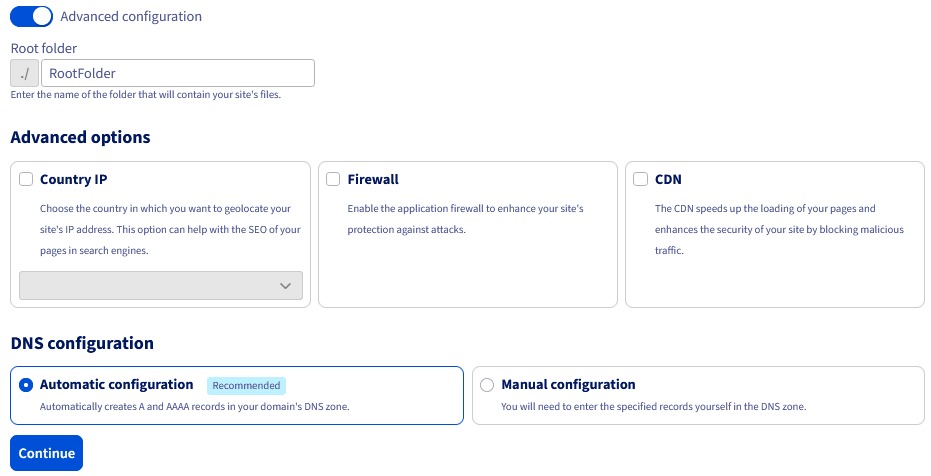
Send a report to the publication’s real published contact or correction destination, if there is one. An unidentified inbox or unverified form is not a reliable route. Any claim about response times or a public correction log needs actual operations behind it.
How to check editorial standards in practice
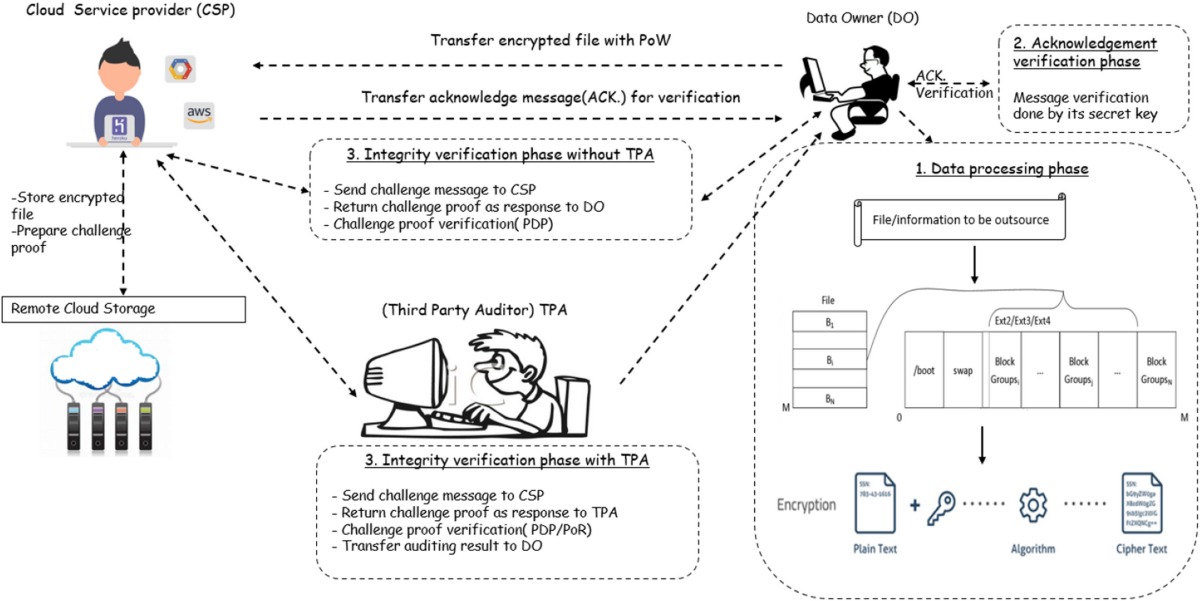
The best test starts with one article, such as a shared-hosting-versus-VPS comparison, and asks whether its visible evidence matches the standards the publication claims.
- Contributor: Find the credited author and any claimed reviewer, and separate their documented roles.
- Technical support: Compare each important claim with its cited primary documentation and stated operating conditions.
- Dates: Compare the claim’s evidence date with the date of any substantive revision.
- Incentives: Look for commercial disclosures beside the recommendation.
- Corrections: Find a working published route for reporting material errors.
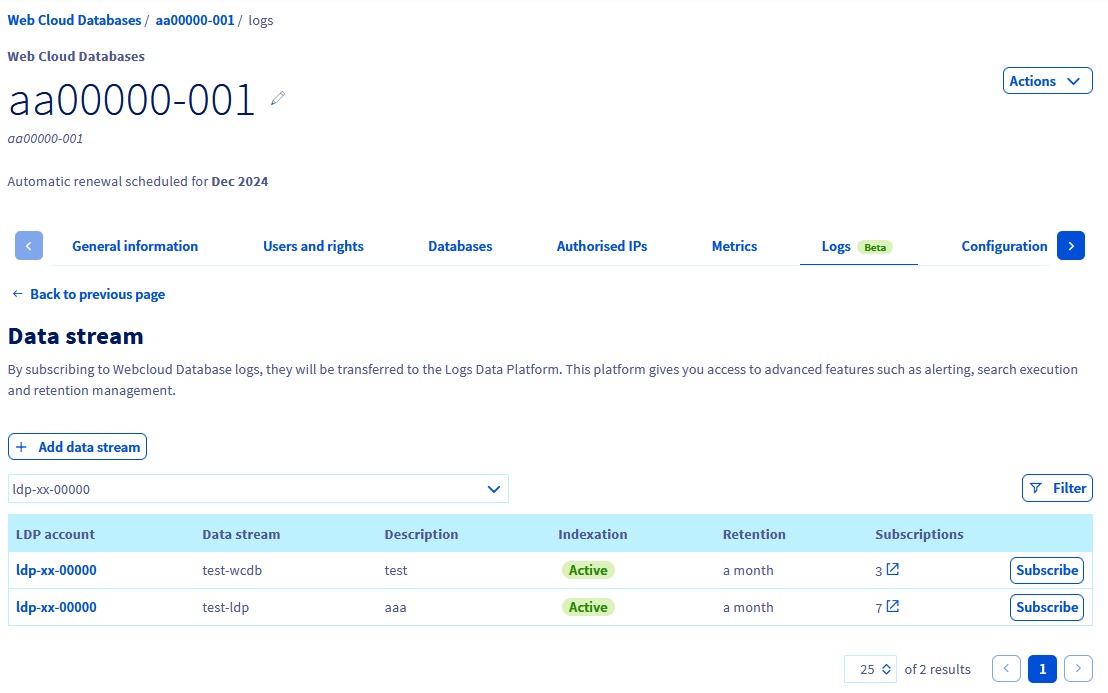
A Source and Test Methodology page, when one exists, can explain the work behind benchmarks. Individual editorial approvals and private review records often stay invisible in published HTML. The checks for vendor specifications, measured tests and dated documentation are explained in the infrastructure claims and testing methodology.
A gap between a stated policy and what an article shows is a concrete accountability problem. You can document it by naming the promise, the article passage and the missing information.